
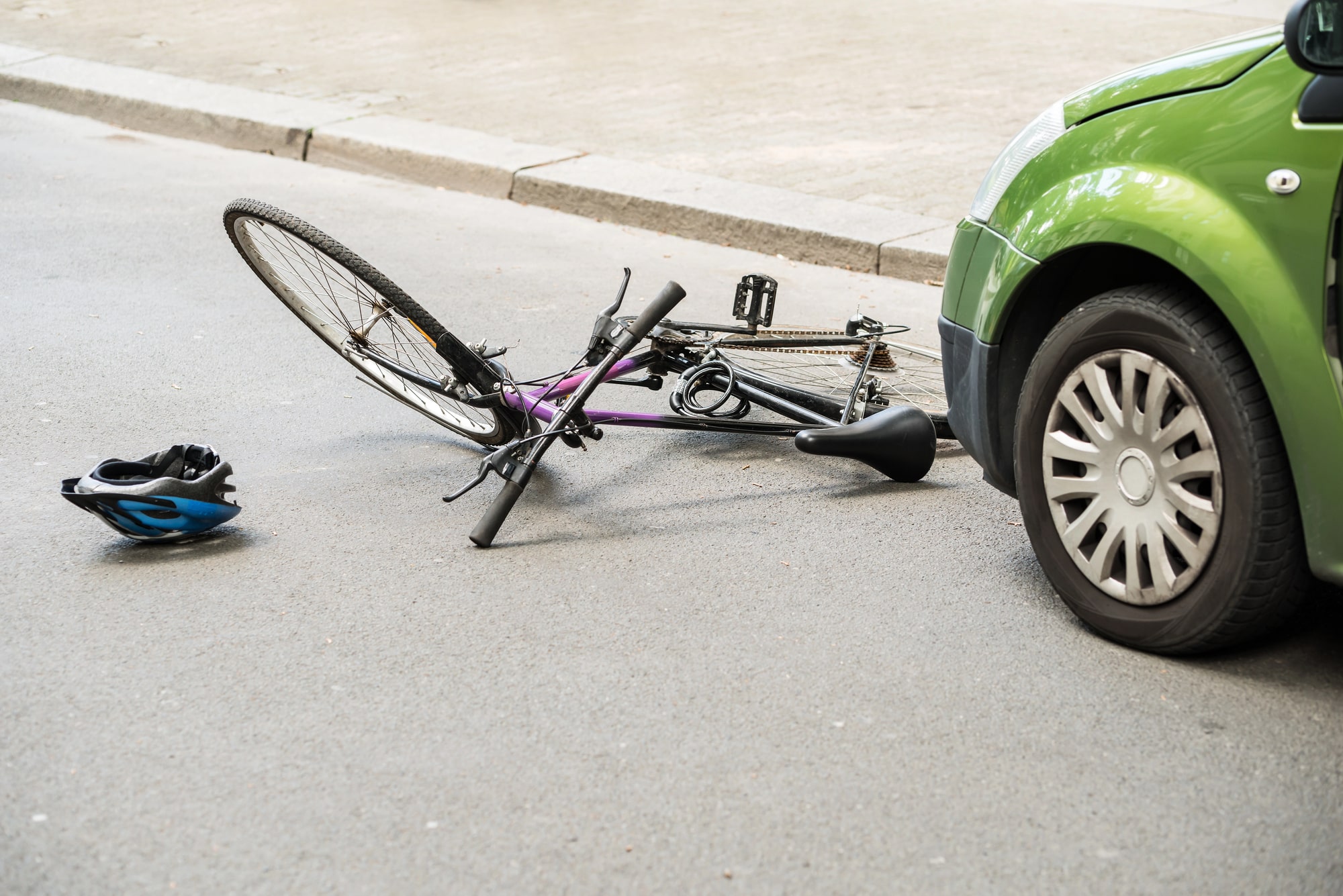
Bicycle accident cases face unique challenges including anti-cyclist bias, serious injury patterns, and insurance company tactics that exploit widespread prejudice against cyclists. Understanding common mistakes helps you protect your rights and maximize compensation despite these obstacles.
Our friends at Wyatt Injury Law Personal Injury Attorneys discuss how preventable errors cost injured cyclists thousands in compensation they deserve. A bicycle accident lawyer familiar with bicycle crashes knows the unique proof requirements and common pitfalls that weaken claims when vulnerable road users are struck by negligent drivers.
These thirteen mistakes jeopardize bicycle accident claims and your financial recovery.
Leaving Accident Scenes Without Police Documentation
The biggest mistake cyclists make after being struck is leaving without calling police and getting official accident reports. Even if you feel okay initially, police reports document that accidents occurred, establish when and where collisions happened, and identify drivers and witnesses.
According to the National Highway Traffic Safety Administration, official police reports significantly strengthen bicycle accident claims.
Never leave accident scenes without police documentation regardless of how minor injuries seem or how apologetic drivers appear.
Admitting Fault or Apologizing at Accident Scenes
Never admit you weren’t watching for traffic, apologize for the accident, or suggest you might have been at fault. These admissions give insurance companies ammunition to argue comparative negligence reducing your compensation substantially.
Insurance companies use any admission suggesting you contributed to accidents to reduce settlements through comparative fault arguments even when drivers violated your right-of-way.
Not Photographing Bicycle Damage and Road Conditions
Document accident scenes immediately including bicycle damage from all angles, road conditions and surface quality, traffic control devices and lane markings, sight line obstructions, and lighting conditions if accidents occurred at night or dusk.
These photos prove accident circumstances and counter driver claims about conditions or your visibility.
Failing to Preserve Your Bicycle and Equipment
Save your damaged bicycle exactly as it was after accidents. Bicycle damage provides evidence of impact severity and accident dynamics. Repairing or discarding bicycles eliminates this important proof.
Equipment failures that contributed to accidents require preservation for analysis. Never repair or modify anything until consulting attorneys about evidence preservation.
Not Documenting What You Were Wearing
What cyclists wear affects visibility and sometimes becomes relevant to fault determinations. Document your clothing through photos taken soon after accidents showing colors worn, reflective materials if any, and helmet use.
This documentation counters driver claims that they couldn’t see you because you wore dark clothing or weren’t visible on roads.
Downplaying Injury Severity Because of Cycling Fitness
Athletic cyclists sometimes minimize injuries believing they should be tough or that their fitness means injuries aren’t serious. This undermines claims about injury severity and reduces settlement values.
Be completely honest about pain levels, limitations, and how injuries affect your cycling and daily activities.
Returning to Cycling Too Soon
Pressure to return to cycling activities and desire to maintain fitness tempt injured cyclists to ride before doctors clear them. Premature return risks reinjury and gives insurance companies arguments that you’ve recovered.
Follow medical restrictions exactly regarding when you can safely return to cycling.
Not Understanding Cycling-Specific Traffic Laws
Many jurisdictions have specific laws about where cyclists can ride, right-of-way rules at intersections, required equipment like lights, and cyclist duties regarding traffic control.
Understanding applicable cycling laws helps counter insurance arguments that you violated regulations. We research cycling laws in your jurisdiction and use them to prove drivers violated your legal rights.
Assuming Your Homeowner’s or Renter’s Insurance Won’t Apply
Many people don’t realize homeowner’s or renter’s insurance policies sometimes provide coverage for bicycle accidents including medical payments coverage and liability protection if you’re accused of causing accidents.
We investigate all potential insurance sources including policies you might not think apply to cycling accidents.
Not Obtaining Surveillance Footage Quickly
Many intersections and nearby businesses have cameras covering roads where bicycle accidents occur. Identify any surveillance cameras that might have captured collisions and immediately request footage preservation.
Video evidence showing you had right-of-way when drivers struck you provides powerful proof that witness testimony alone cannot match. This footage typically gets deleted within days or weeks unless specifically preserved.
Accepting Blame for Driver Inattention
Insurance companies argue cyclists are hard to see and drivers cannot be expected to watch for bicycles. These arguments blame victims for driver inattention and failure to yield.
We counter these defenses by proving drivers had clear opportunities to see you, violated traffic laws requiring yielding to cyclists, and bore responsibility for watching for all road users including bicycles.
Not Challenging Anti-Cyclist Bias
Insurance adjusters and juries often blame cyclists regardless of actual fault. Overcoming this bias requires education about cycling rights, evidence showing driver negligence, and presentation techniques making you sympathetic rather than reckless.
We know how to address anti-cyclist bias in negotiations and prepare compelling cases countering widespread prejudice against cyclists.
Handling Serious Injury Cases Without Cycling-Specific Experience
Bicycle crashes cause injury patterns distinct from car accidents including severe road rash requiring extensive treatment, traumatic brain injuries even with helmets, orthopedic injuries to exposed extremities, and dental and facial trauma.
Understanding these typical bicycle injury patterns helps attorneys value cases properly and anticipate treatment needs that general practitioners might not recognize.
Protecting Your Bicycle Accident Claim
Bicycle accidents cause devastating injuries to vulnerable road users who have legal protections but face aggressive insurance company defenses arguing cyclists contributed to their own harm.
The mistakes discussed above give insurance companies ammunition to deny claims or reduce settlements substantially through comparative negligence arguments exploiting widespread anti-cyclist bias.
Proper evidence preservation, avoiding fault admissions, immediate medical treatment, and understanding cycling-specific laws protect your rights and maximize compensation.
Overcoming Anti-Cyclist Bias
Insurance companies know juries often favor drivers over cyclists. This bias means bicycle cases require stronger evidence and more strategic presentation than similar car accident cases.
We build compelling cases proving driver negligence, countering anti-cyclist arguments, and presenting your injuries and damages persuasively despite prejudice you’ll face.
Fighting for Cyclist Rights
Cyclists have the same rights to compensation as any other accident victim, but achieving fair settlements requires overcoming systematic bias and insurance company tactics designed to minimize bicycle accident claims.
Don’t let anti-cyclist prejudice or insurance company tactics prevent you from recovering fair compensation for serious injuries suffered when drivers violated your legal right-of-way.
Contact an attorney who regularly represents injured cyclists, understands cycling-specific traffic laws and right-of-way rules, knows how to counter anti-cyclist bias effectively, has relationships with professionals experienced in bicycle crash reconstruction, and will fight aggressively for fair compensation that reflects your actual injuries and damages rather than accepting reduced settlements based on unfair prejudice against vulnerable road users who deserve the same legal protections as everyone else using public roadways.