
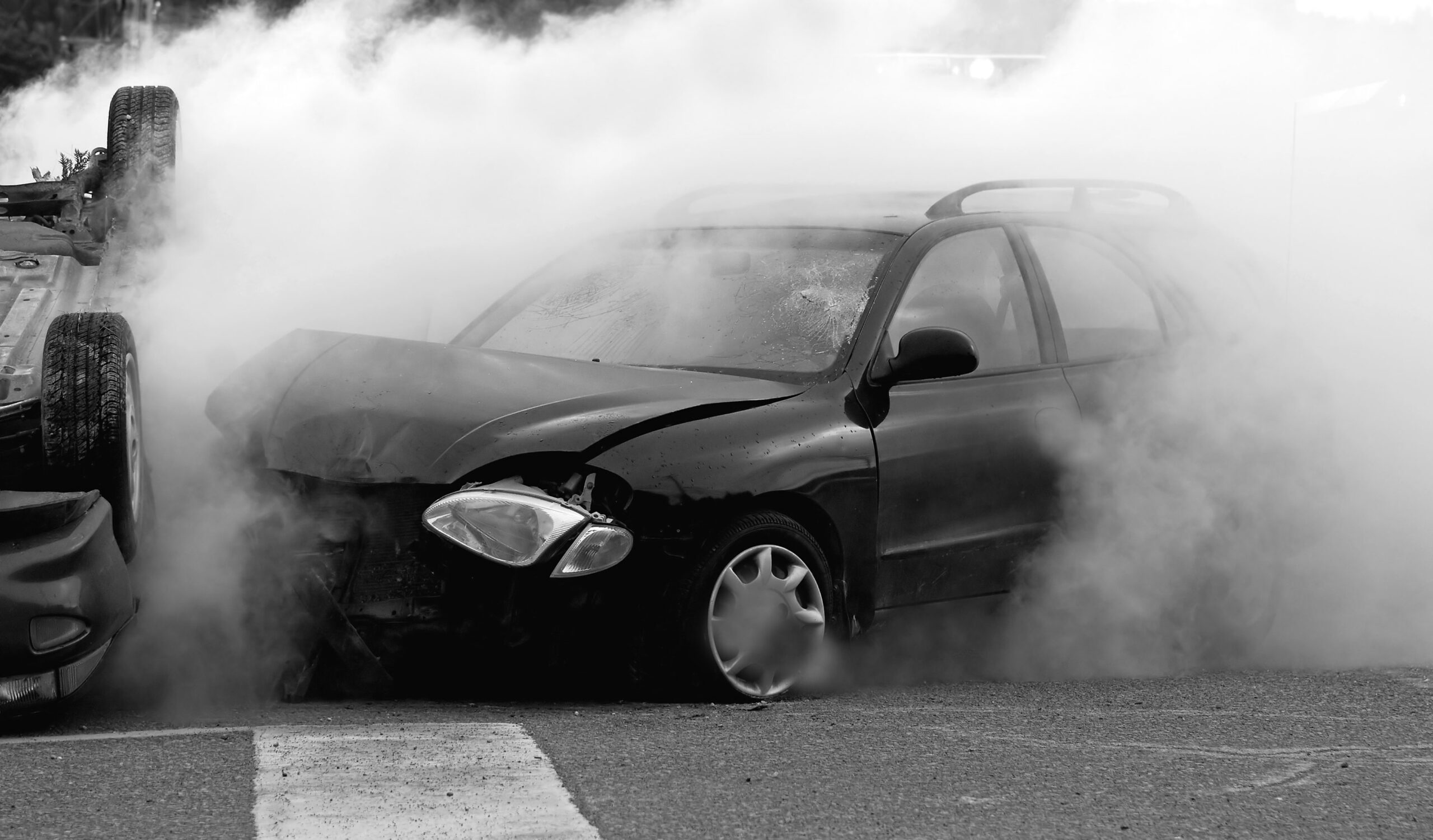
A collision involving two vehicles can raise complicated questions about what happened and who was responsible. When three, four, or even dozens of vehicles are involved, determining the sequence of events can become considerably more difficult.
Multi-vehicle pileups can develop within seconds. One vehicle collides with another, approaching motorists have little time to react, and additional impacts quickly follow. Poor visibility, heavy traffic, high speeds, weather conditions, and distracted driving can make these accidents particularly dangerous.
After a pileup, understanding how the collision began is only part of the challenge. Investigators may also need to determine which drivers contributed to later impacts and whether several separate acts played a role in the resulting injuries and damage. If you have been injured in a multi vehicle pileup, a Fountain, CO car accident lawyer can help you understand how fault may be evaluated and what options you may have for pursuing compensation.
How Multi-Vehicle Pileups Begin
There is no single cause of a multi-vehicle collision. Some begin with an ordinary two-car accident that blocks a traffic lane. Others result from rapidly changing roadway conditions that affect several drivers at once.
Common contributing factors include:
- Sudden traffic slowdowns
- Excessive speed
- Following too closely
- Distracted driving
- Heavy rain, snow, ice, or fog
- Unsafe lane changes
- Impaired driving
- Roadway hazards
- Limited visibility
Highway accidents can be especially dangerous because vehicles may be traveling at significant speeds before encountering stopped or damaged vehicles ahead.
The first collision may therefore trigger a sequence of secondary crashes that occur before approaching drivers fully understand what is happening.
Determining the Sequence of Impacts Is Critical
One of the most important questions after a pileup is often: Which collision happened first?
Consider three vehicles traveling in the same lane. The first vehicle stops for traffic. The second vehicle stops safely behind it. A third vehicle fails to stop and crashes into the second vehicle, pushing it into the first.
Damage may exist between all three vehicles, but the second driver did not necessarily cause the impact with the first vehicle.
Now imagine several vehicles traveling too closely together, with multiple drivers unable to stop as traffic slows. In that situation, more than one driver’s actions may have contributed to the overall collision.
Establishing the order of impacts helps investigators understand how the pileup developed.
Multiple Drivers May Share Responsibility
Multi-vehicle accidents do not always have one responsible driver.
A motorist who was speeding may initiate the first collision, while another distracted driver could cause a separate secondary impact moments later. Another vehicle may have been following too closely to avoid joining the crash.
This is why assumptions based solely on final vehicle positions can be misleading.
Investigators may need to examine each driver’s actions individually while also considering how those actions fit into the larger sequence.
Evidence Becomes Especially Important
Accident scenes change quickly. Vehicles are moved, debris is removed, roads reopen, and witnesses leave. Preserving information from the scene can therefore be particularly valuable after a multi-vehicle crash.
Evidence may include:
- Photographs and videos
- Dashcam footage
- Traffic or surveillance cameras
- Witness statements
- Police documentation
- Vehicle damage patterns
- Skid marks
- Roadway debris
- Electronic vehicle data when available
Photographs showing where vehicles came to rest can provide important context. Images of damage to the front and rear of individual vehicles may also help clarify which impacts occurred.
In particularly complex or severe accidents, accident reconstruction specialists may analyze physical evidence to better understand the collision sequence.
Witnesses May See Different Parts of the Accident
Witness testimony can be valuable, but pileups happen so quickly that different people may observe different portions of the event.
One witness may see the initial crash. Another may only see vehicles colliding several seconds later. Drivers themselves may hear or feel multiple impacts without knowing precisely what caused each one.
These differing perspectives do not necessarily mean someone is being inaccurate. They may simply reflect the complexity of the event.
Comparing witness accounts with physical evidence can help create a more complete picture.
Weather Can Make Pileups More Likely
Some of the largest multi-vehicle crashes occur when weather dramatically reduces visibility or traction.
Fog can prevent motorists from seeing stopped traffic until they are dangerously close. Ice can make emergency braking ineffective. Heavy snow may obscure lane markings and reduce visibility, while rain can increase stopping distances.
Once one collision occurs under these conditions, approaching drivers may encounter the accident before they have enough time or roadway space to avoid it.
Drivers should reduce speed and increase following distance whenever conditions deteriorate.
Injuries May Result From More Than One Impact
Occupants in multi-vehicle crashes may experience several impacts in rapid succession.
A vehicle might initially be struck from behind, pushed into another vehicle, and then hit again from the side. If you have been injured in a multi vehicle collision, contact Ganderton Law Personal Injury Law Firm to discuss your circumstances and understand what legal options may be available.