
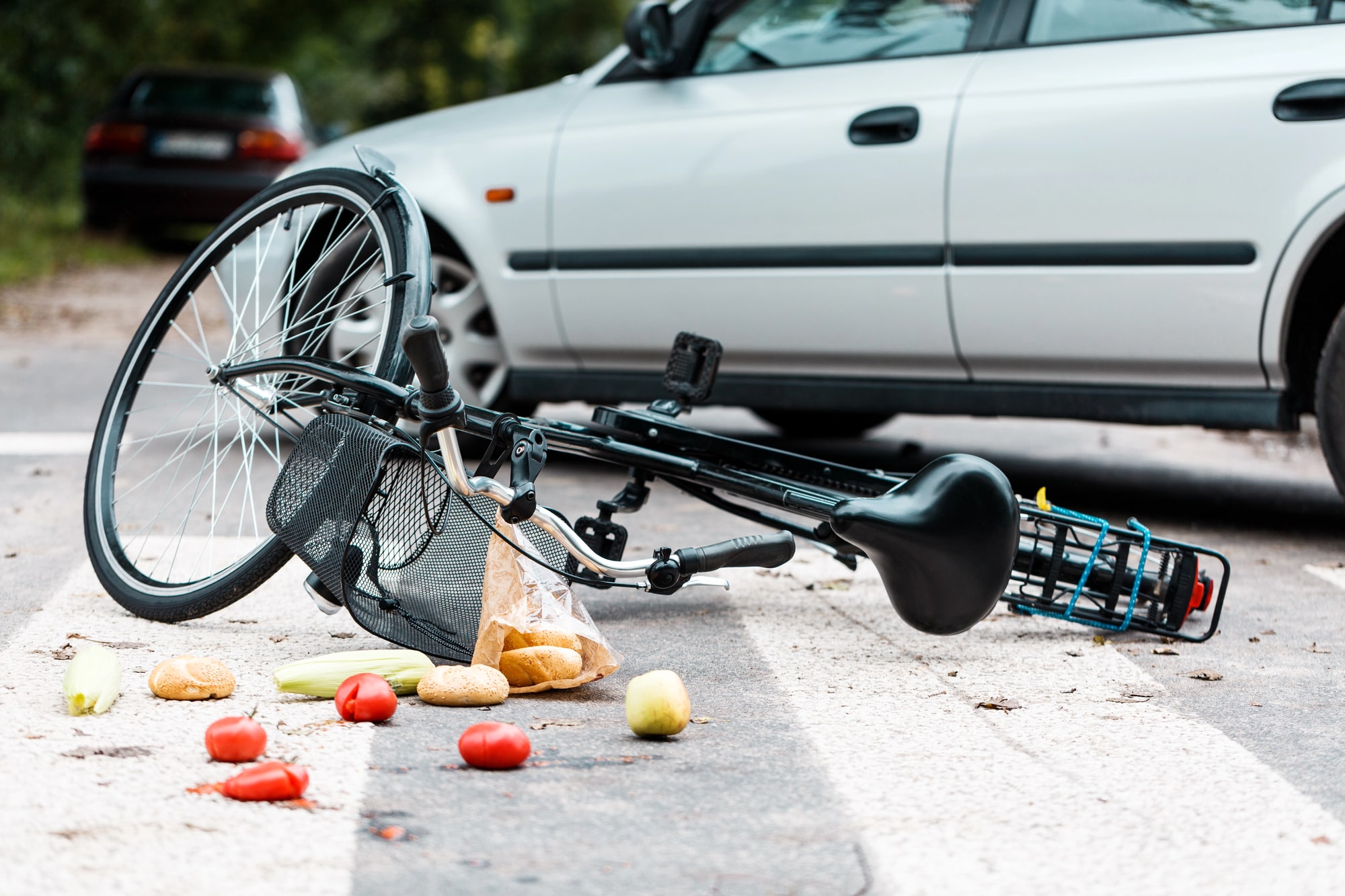
Cyclists occupy a unique position on the road, and that position comes with a legal framework that many riders do not fully understand until after an accident happens. A collision between a bicycle and a motor vehicle is not treated identically to a car-on-car crash, and the rules that govern fault, liability, and compensation have some important distinctions worth knowing.
Our friends at Marsh | Rickard | Bryan, LLC discuss bicycle accident claims with injured riders who frequently come in unsure of where they stand legally. A bicycle accident lawyer handling a cycling injury case will often begin by clarifying what rights cyclists actually have under traffic law, because that foundation shapes everything that follows.
The Legal Standing of Cyclists on Public Roads
Cyclists Have the Same Rights as Drivers
In most states, bicycles are classified as vehicles under traffic law. That means cyclists have the same right to use public roadways as motor vehicle operators, and drivers owe cyclists the same duty of care they owe other drivers. When a motorist fails to yield, opens a car door into a cyclist’s path, follows too closely, or simply fails to notice a rider and causes a collision, that driver may be liable for the resulting injuries.
The National Highway Traffic Safety Administration tracks cyclist fatalities and injury data and has consistently identified driver behavior as a leading factor in bicycle-related crashes. That data matters in a legal context because it reinforces that cyclists are frequently the victims of driver negligence, not the cause of their own injuries.
Shared Fault Can Still Allow Recovery
One concern many injured cyclists raise is whether they might be considered partially at fault for the accident. Maybe they were riding without a light after dark, or they were in a lane where cyclists are technically discouraged. Shared fault does not automatically eliminate a bicycle accident injury claim. Most states apply comparative negligence principles, meaning an injured cyclist can still recover compensation even if they bear some responsibility, though their recovery may be reduced proportionally to their share of fault.
What Affects the Value of a Bicycle Accident Claim
Several factors shape how a bicycle injury claim develops and what compensation may ultimately be available:
- The severity and permanence of the injuries sustained
- Whether the cyclist required emergency care, surgery, or ongoing treatment
- Lost wages and diminished earning capacity resulting from the injury
- The extent to which the injury affects daily life, physical activity, and overall wellbeing
- Whether a helmet was worn, which can influence both the injury severity and how fault is perceived
- The availability and policy limits of the at-fault driver’s insurance
Property damage to the bicycle and cycling equipment is also compensable, though it is typically the smaller component of a bicycle accident claim compared to the personal injury damages.
Mistakes That Hurt Bicycle Accident Claims
Not Calling the Police
Even when injuries seem manageable at first, a police report creates an official record of the incident. Without it, establishing the basic facts of what happened becomes a word-against-word situation that is harder to resolve in the cyclist’s favor.
Delaying Medical Treatment
Adrenaline and shock are powerful, and cyclists sometimes feel better in the immediate aftermath of a crash than they actually are. Head injuries, internal injuries, and soft tissue damage can take time to fully manifest. Getting evaluated right away, and following through with all recommended care, protects both your health and your claim.
Not Preserving Evidence
Photographs of the scene, the vehicles involved, road conditions, your damaged bicycle, and your injuries taken as soon as possible are among the most valuable pieces of evidence in a bicycle accident case. Witness contact information, intersection camera footage, and dashcam recordings from nearby vehicles can also be relevant and should be identified and preserved quickly before they become unavailable.
Helmet Laws and Their Role in a Claim
Helmet requirements vary by state and by the age of the rider. The Governors Highway Safety Association tracks helmet law requirements across states. Even where helmets are not legally required for adult riders, failing to wear one can be raised by the defense to argue comparative fault or to limit what is recoverable for head injuries specifically.
Protecting Your Rights After a Cycling Injury
Bicycle accident claims involve real stakes, and injured cyclists deserve to have their cases taken seriously. If you have been hurt in a collision while riding, our team is ready to review the facts of your situation, explain what the law provides, and help you pursue the full compensation your injuries warrant. Reaching out sooner rather than later gives us the best opportunity to build the strongest possible case on your behalf.