
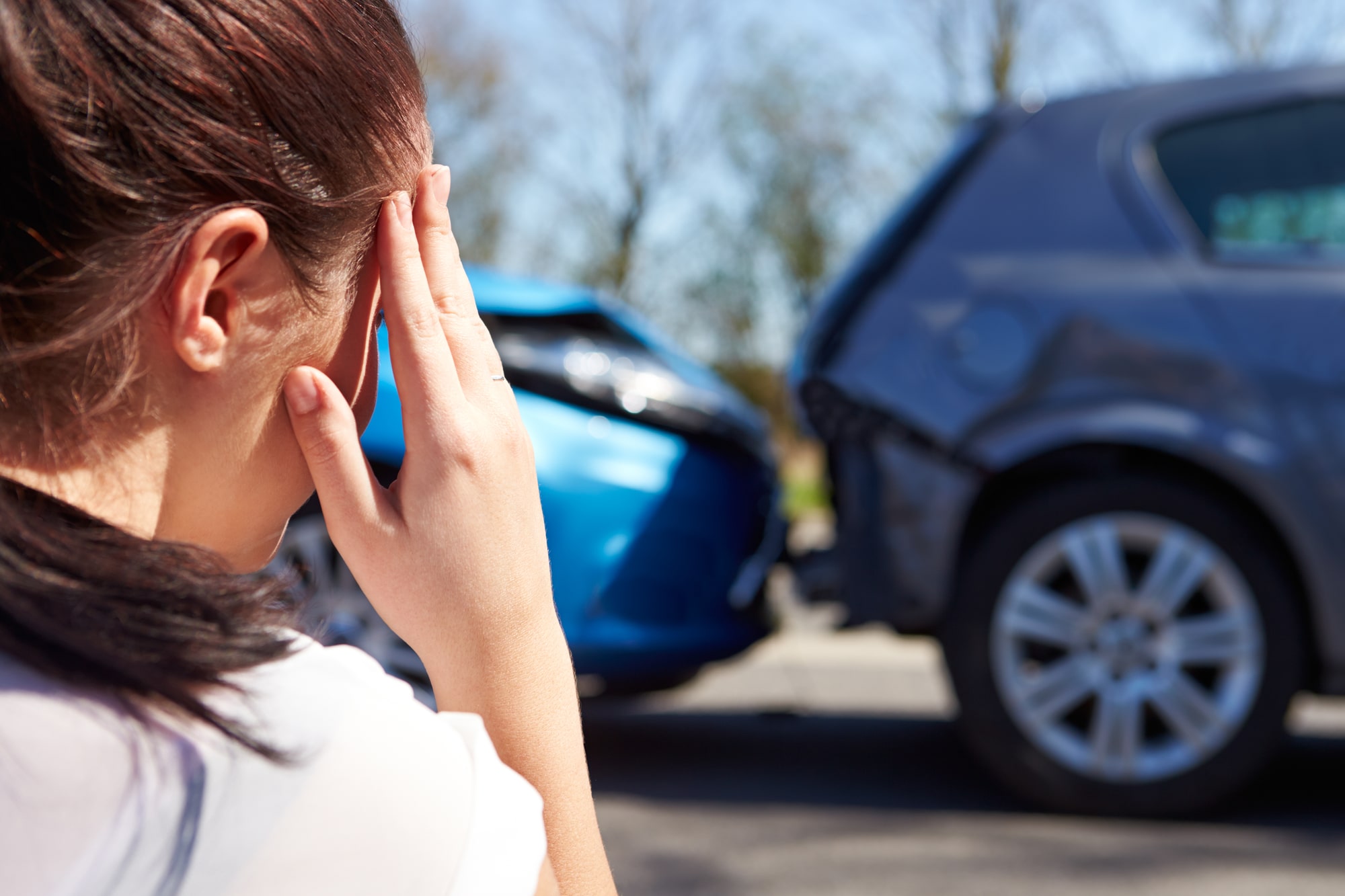
Rear-end collisions are among the most familiar types of motor vehicle accidents. They can happen in congested traffic, at stoplights, in parking areas, on highways, or virtually anywhere vehicles are traveling in the same direction. Although these crashes are common, determining responsibility is not always as straightforward as it may initially appear.
Many people assume the driver who strikes another vehicle from behind is automatically responsible. Following drivers do have an important obligation to maintain a safe distance and remain prepared for changing traffic conditions. However, rear-end accidents can involve multiple contributing factors, and understanding those factors is important when determining how and why a collision occurred. If you have been injured in a rear end collision, a Falcon, CO car accident lawyer can help you evaluate the circumstances of the crash and understand your options for pursuing compensation.
Why Following Distance Matters
Drivers need enough space between their vehicle and the vehicle ahead to respond safely if traffic slows or stops. A safe following distance provides time to recognize a hazard, react, apply the brakes, and bring the vehicle to a stop.
Several factors can increase the amount of distance necessary, including:
- Higher speeds
- Heavy traffic
- Rain, snow, or ice
- Reduced visibility
- Vehicle size and weight
- Tire and brake condition
A driver who follows too closely may have little opportunity to avoid a collision if the vehicle ahead brakes unexpectedly.
Distracted Driving Is a Common Factor
Rear-end crashes frequently occur because a driver is not paying full attention to traffic.
A distraction does not have to last long. Looking down at a phone, adjusting navigation, reaching for an object, interacting with passengers, or changing vehicle controls can take a driver’s eyes away from the roadway at exactly the wrong moment.
Traffic can change considerably in only a few seconds. A vehicle that was moving normally may suddenly stop for congestion, a pedestrian, a traffic signal, or an unexpected roadway hazard.
When the following driver finally recognizes what has happened, there may no longer be enough distance to stop safely.
Speed Can Affect Both Liability and Injury Severity
Speed is another important consideration in rear-end collisions. A driver traveling too fast for traffic or roadway conditions may be unable to stop even when maintaining what initially appears to be adequate distance.
Higher speed also increases the force of impact. That can turn what might otherwise have been a relatively minor collision into one capable of causing substantial vehicle damage and physical injury.
Drivers are responsible not only for observing posted speed limits but also for adjusting their speed when congestion, weather, visibility, or road conditions make slower travel appropriate.
Is the Rear Driver Always Responsible?
Not necessarily.
Although the following driver is frequently found primarily responsible, there are situations in which the actions or condition of the lead vehicle may contribute to a rear-end collision.
Examples can include a vehicle with nonfunctioning brake lights, an unsafe lane change immediately before impact, or other unusual circumstances that leave a following motorist with little opportunity to respond.
Multi-vehicle crashes create additional complexity. A driver may be stopped safely behind another vehicle when a third vehicle strikes from behind, pushing the stopped car forward into the vehicle ahead.
What appears to be a simple rear-end crash can therefore involve several separate impacts and multiple questions about responsibility.
Evidence Helps Explain What Actually Happened
When accounts differ, physical and documentary evidence can become particularly important.
Useful evidence may include:
- Photographs of vehicle damage
- Images of the overall accident scene
- Dashcam footage
- Nearby surveillance video
- Witness statements
- Police reports
- Skid marks or roadway debris
- Vehicle data when available
Damage patterns can sometimes help investigators understand the direction and sequence of impact. In a chain-reaction crash, for example, evidence may help establish whether one vehicle struck another before or after being hit from behind.
Rear-End Crashes Can Cause Significant Injuries
Another common misconception is that rear-end collisions are inherently minor. Vehicle damage may appear limited while occupants experience meaningful injuries.
The sudden force of impact can rapidly move the body forward and backward, particularly affecting the head, neck, shoulders, and spine.
Potential injuries can include:
- Whiplash and other neck injuries
- Back injuries
- Concussions
- Shoulder injuries
- Soft-tissue injuries
- Headaches and dizziness
Symptoms may not always appear immediately. Adrenaline and stress can temporarily mask discomfort, and inflammation may develop over the hours following a collision.
For this reason, paying attention to new or worsening symptoms after an accident is important even when the initial impact did not seem severe.
Weather and Road Conditions Can Change the Analysis
A rear-end collision during heavy rain, snow, fog, or icy conditions may involve additional considerations.
Drivers generally need to adjust their behavior to account for reduced traction and visibility. That can mean decreasing speed and leaving substantially more room between vehicles.
If a roadway is slick, the distance needed to stop can increase considerably. Continuing to follow another vehicle at a distance that would be reasonable on dry pavement may no longer provide enough time to react safely.
Chain-Reaction Rear-End Accidents Can Be Particularly Complex
When several vehicles are involved, determining the sequence of events becomes especially important.
Imagine four vehicles stopped or slowing in traffic. If the fourth vehicle strikes the third and pushes it into the second, which then hits the first, the resulting damage may resemble several ordinary rear-end collisions. In reality, a single initial impact may have triggered the entire sequence.
Alternatively, multiple drivers may have been following too closely and contributed separately to the crash.
Witness accounts, photographs, video footage, and vehicle damage can help reconstruct the order in which the impacts occurred.
What Drivers Can Do After a Rear-End Collision
Regardless of how obvious responsibility may seem, documenting the scene can help preserve important information.
When it is safe to do so, drivers can photograph vehicle positions, damage, road conditions, traffic signals, skid marks, and other relevant details. Contact information from witnesses can also be valuable.
Seeking appropriate medical evaluation when symptoms develop creates a contemporaneous record of injuries and, more importantly, helps ensure that conditions requiring treatment are not overlooked.
Drivers should also avoid making assumptions about fault at the scene. A complete understanding of the accident may require evidence that is not immediately apparent.
The Bottom Line
Rear-end collisions may seem simple, but the circumstances surrounding them can vary considerably. Following distance, distraction, speed, weather, vehicle condition, and the actions of multiple drivers can all influence how a crash occurs.
The driver who strikes another vehicle from behind is often a central focus of the investigation, but responsibility should ultimately be evaluated using the facts and evidence surrounding the collision.
Understanding those factors can help drivers appreciate why maintaining adequate distance, staying attentive, and adjusting to changing road conditions are so important.
A few additional seconds of reaction time can be the difference between a safe stop and an accident with consequences that last far longer than the collision itself. If you have been injured in a rear end collision and have questions about responsibility or compensation, contact Ganderton Law Personal Injury Law Firm to discuss your circumstances and understand your legal options.