
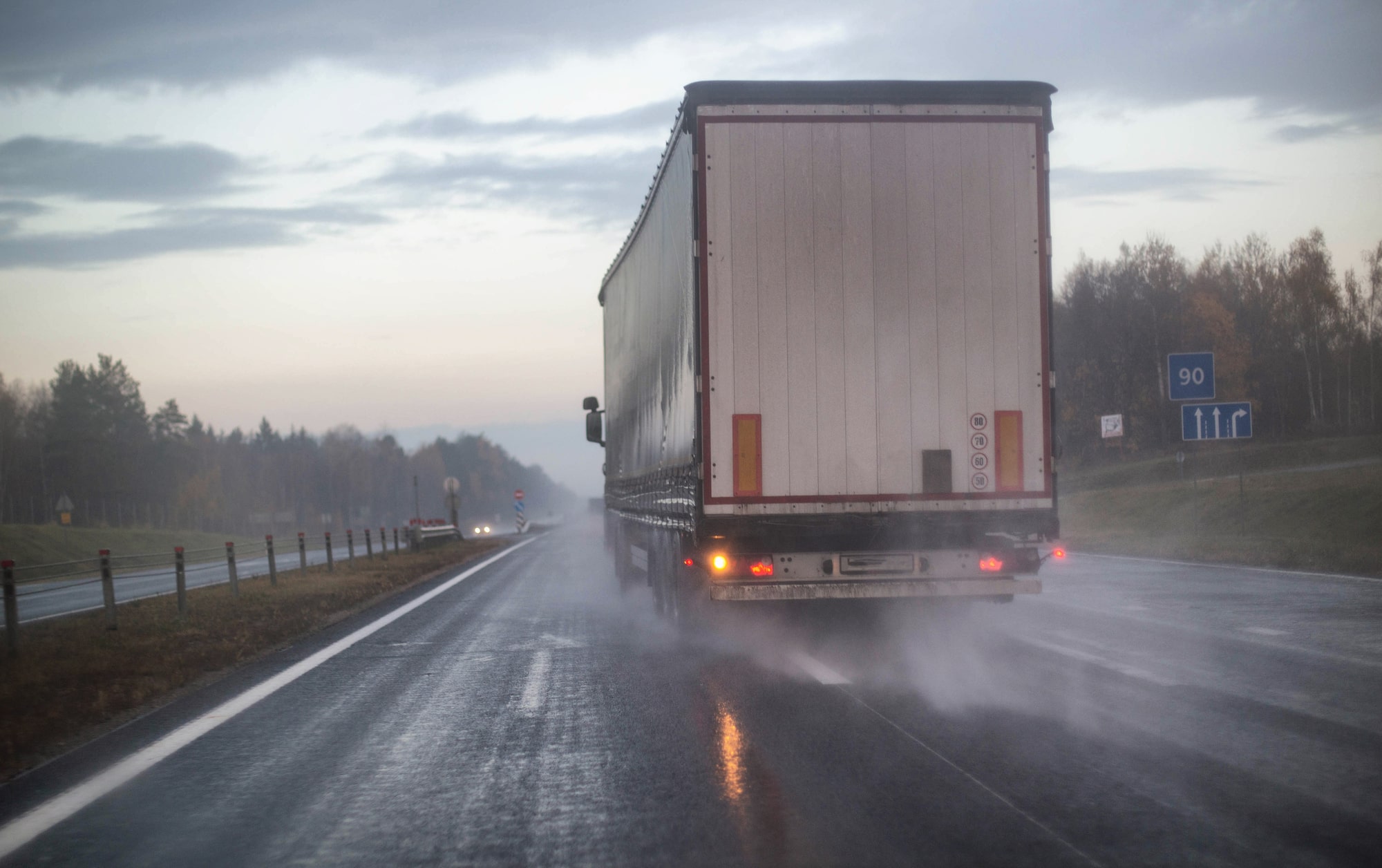
When a commercial truck hits your car on I-25 or anywhere near Colorado Springs, the insurance situation looks nothing like a standard two-car accident. The coverage amounts are dramatically higher. The policies are structured differently. There are often multiple insurers involved. And the companies behind those policies employ professional claims teams and legal departments that start working on the case from the moment they get the call.
Understanding how commercial trucking insurance actually works helps injured people make informed decisions rather than simply accepting whatever offer arrives first.
Federal Minimum Coverage Requirements for Commercial Trucks
Standard personal auto insurance in Colorado carries a minimum liability requirement of $25,000 per person. That number reflects the risks associated with a passenger vehicle. It doesn’t come close to reflecting the damage an 80,000-pound commercial truck can cause.
The Federal Motor Carrier Safety Administration sets mandatory minimum insurance requirements for interstate commercial carriers. For trucks hauling general freight, the minimum is $750,000 in liability coverage. Carriers transporting hazardous materials must carry between $1 million and $5 million depending on the cargo type.
Those higher minimums exist because commercial truck accidents produce catastrophic injuries at a rate that simply doesn’t compare to standard vehicle collisions. A single serious crash can generate medical costs, lost income, and long-term care needs that a $25,000 policy would exhaust in the first ambulance ride.
How Commercial Trucking Policies Are Structured Differently
Beyond the higher limits, the structure of commercial trucking policies differs from personal auto coverage in ways that affect how claims get handled and who ends up paying.
Large carriers sometimes self-insure up to a certain threshold, meaning they pay smaller claims directly from their own funds before excess coverage kicks in. This creates a direct financial incentive to minimize what they pay on any given claim, which is reflected in how aggressively their claims teams respond after serious accidents.
Some carriers use layered policies, where a primary insurer covers up to its limit and a secondary excess insurer provides coverage above that threshold. Identifying all applicable policies and the correct order in which they respond requires investigation that goes well beyond pulling a standard insurance card at the scene.
Why Multiple Parties Often Mean Multiple Insurers
In a standard car accident, there’s one at-fault driver and one liability policy. Truck accident cases frequently involve several potentially responsible parties, each carrying separate coverage.
The truck driver may carry their own policy if they operate as an independent contractor. The trucking company maintains commercial liability coverage. A cargo owner or shipper may have its own coverage for load-related claims. A freight broker might carry contingent liability insurance. If a vehicle defect contributed to the crash, a manufacturer could be involved with its own products liability policy.
Determining which policies apply, in what order, and how to pursue claims against multiple insurers simultaneously requires someone who understands how commercial trucking coverage works. A Colorado Springs truck accident lawyer at Ganderton Law investigates all of those relationships before any settlement discussions begin.
How Commercial Insurers Respond Differently Than Personal Auto Insurers
Personal auto insurers typically respond to claims through individual adjusters working standard business hours. Commercial trucking insurers are different. After a serious accident, they deploy accident reconstruction teams, medical reviewers, and defense attorneys quickly, often within hours of the crash.
That speed creates an imbalance for victims who don’t have legal representation in place early. Evidence gets characterized in ways that minimize the carrier’s exposure. Recorded statements get taken before injured people fully understand their injuries or their rights.
The higher coverage limits available in commercial truck cases also mean the stakes are higher for the insurer. They’ll invest more in defending the claim precisely because the potential payout is larger.
What Higher Coverage Limits Mean for Seriously Injured Victims
The practical benefit of higher commercial coverage limits is that serious injuries can actually be fully compensated. A spinal cord injury or traumatic brain injury that would exhaust a personal auto policy in days may be fully addressed by the commercial coverage available in a truck accident case. Future medical costs, lost earning capacity, and long-term pain and suffering all deserve to be part of the claim, and the coverage exists to pay them.
Ganderton Law Personal Injury Law Firm has over 40 years of combined experience handling truck accident claims in Colorado Springs and throughout the state. If you were injured in a crash involving a commercial truck, reach out to a Colorado Springs truck accident lawyer to discuss what coverage is available and what your claim may actually be worth.