
You slip on someone’s property and hit the ground hard. Maybe it’s a broken bone. Maybe it’s a concussion. The pain is real, the medical bills are piling up, and you’re wondering if the property owner should be paying for this. Not every fall creates legal liability. That’s just the reality of premises liability law. Understanding when an owner can actually be held responsible helps you figure out if you’ve got a valid claim worth pursuing.
The Legal Duty Property Owners Owe
Colorado law doesn’t treat all visitors the same. Property owners have different levels of responsibility depending on why you’re there in the first place.
Invitees get the most protection under the law. If you’re a customer in a store, a guest at a hotel, or anyone invited onto property for business purposes, the owner must regularly inspect their property and either fix dangerous conditions or warn you about them. They can’t just ignore hazards and hope nobody gets hurt.
Licensees are social guests or people with permission to be on the property for non-business reasons. Think of visiting a friend’s house. Owners must warn these visitors about known hazards, but they don’t have to actively hunt for problems.
Trespassers receive minimal protection. Property owners generally can’t intentionally harm them or create hidden traps, but that’s about where the duty ends.
When An Owner Becomes Responsible
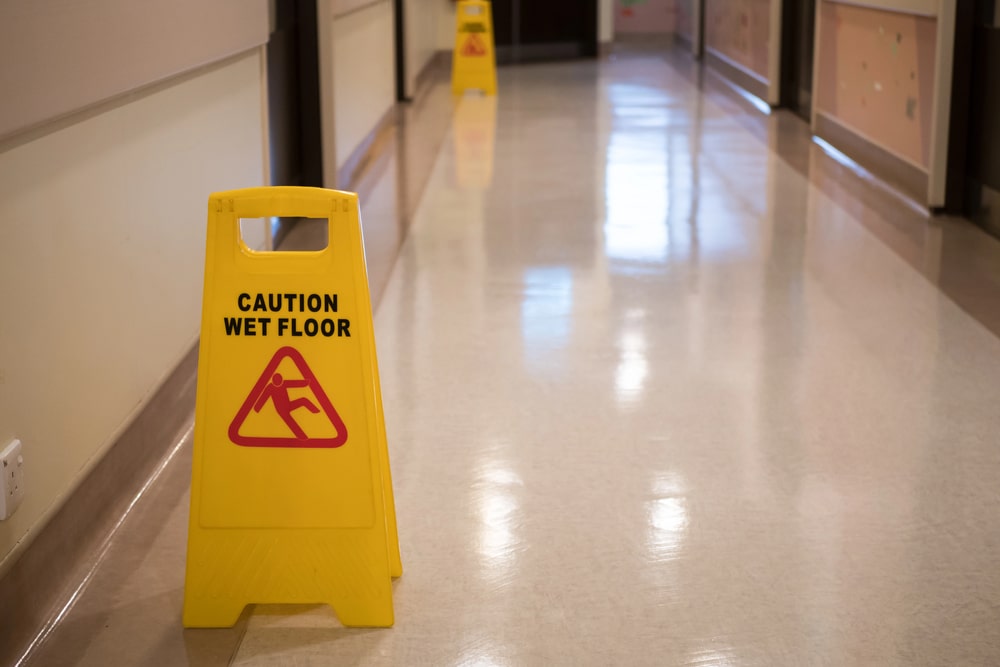
Several factors determine whether you can hold a Colorado Springs slip and fall lawyer property owner liable. First, they must have known about the dangerous condition, or they should’ve known about it through reasonable inspections. The hazard also needs to pose an unreasonable risk that wasn’t obvious to you. And finally, the owner must have failed to fix the problem or provide adequate warning. Here’s a common example. You slip on a wet floor in a grocery store with no warning sign. That typically creates liability because store employees should notice spills during regular monitoring of the aisles. But if you slip on water that spilled literally seconds before you walked by? The owner probably isn’t responsible because they had no reasonable opportunity to address it.
Common Dangerous Conditions
Many fall accidents happen because property owners overlook or flat-out ignore preventable hazards:
- Torn or wrinkled carpeting
- Uneven flooring or broken tiles
- Poor lighting in stairwells or hallways
- Accumulated ice or snow on walkways
- Wet or freshly waxed floors without warnings
- Broken or missing handrails
- Cluttered walkways in stores
- Hidden steps or elevation changes
The question isn’t whether the condition exists. It’s whether the owner knew or should’ve known about it and failed to take reasonable action. That distinction makes or breaks most premises liability cases.
The Reasonable Property Owner Standard
Colorado law doesn’t expect perfection from property owners. Instead, courts ask whether a reasonable property owner would’ve discovered and addressed the hazard under similar circumstances. This means evaluating how long the condition existed. Were regular inspections happening? Did the owner follow standard safety practices for that type of property? A business with constant foot traffic needs more frequent inspections than someone’s private home. That’s common sense, and the law reflects it. Owners must balance the likelihood of harm against the burden of prevention. Simple fixes like adding warning signs or repairing broken stairs are always expected. You can’t ignore obvious dangers and claim it was too expensive or inconvenient to address them.
Your Role In The Accident
Colorado follows what’s called modified comparative negligence. If you’re partially at fault for your fall, your compensation gets reduced by your percentage of blame. You can still recover damages as long as you’re less than 50% responsible. Were you texting while walking through a clearly marked wet floor area? That might reduce your recovery. Wearing completely inappropriate footwear for the conditions could also affect your claim. But property owners can’t simply blame victims to escape responsibility when genuine hazards exist. The law sees through those tactics.
Building Your Case
Strong evidence separates successful claims from denied ones. Take photos of whatever caused your fall, including the surrounding area and lighting conditions. Get contact information from anyone who saw what happened. Report the incident to the property owner or manager right away, and request that they create a written report. Don’t skip medical attention. Even if your injuries seem minor at first, some conditions worsen over time. Documentation of your medical treatment directly connects your injuries to the fall. Security cameras often capture these accidents. The problem? Footage disappears fast. Sometimes within days. Ganderton Law Personal Injury Law Firm can send preservation letters to prevent the destruction of this evidence before it’s gone forever.
Time Limits Matter
You’ve got a limited window to file a premises liability lawsuit in Colorado. Miss that deadline and you lose your right to compensation, regardless of how strong your case might be. Acting quickly also helps preserve evidence and witness memories while details remain fresh. People forget. Video gets recorded over. The sooner you start building your case, the better your chances of success.
Get Help With Your Claim
Determining liability after a fall injury isn’t straightforward. You’re analyzing property owner duties, dangerous conditions, contributing factors, and complex legal standards. Insurance companies know this. They’ll often deny valid claims or offer inadequate settlements, hoping you’ll accept less than you actually deserve. Our Colorado Springs slip and fall lawyer can investigate what happened, gather the evidence you need, and fight for fair compensation. We help injury victims understand their legal options and navigate the claims process from start to finish. Contact us to discuss your situation and learn how we can help you move forward with your case.